• Blog
  • Amazon Shop
  • Pyr Apparel & Gifts
  • Nav Social Menu

    • Email
    • Facebook
    • Instagram
    • LinkedIn
    • Pinterest

It's Dog or Nothing

All Things Great Pyrenees

  • Blogwhat’s happening
  • Aboutwho we are
  • Breed Infoall things pyrenees
  • Mediapartner with the pyrs
    • Awards & Recognition
  • Contactlet’s chat
    • Updates & Exclusive Deals
    • Disclosure
  • Skip to secondary menu
  • Skip to main content
  • Skip to primary sidebar
  • Skip to footer

giant breed

Hypothyroidism In Giant Breed Dogs

April 9, 2016 3 Comments

When it comes to giant breed health and nutrition, there's a lot that goes into raising a happy, healthy dog. We're going from A to Z talking about giant breed specific needs! Today, it's all about hypothyroidism in giant breed dogs.

Hypothyroidism In Giant Breeds

If you’ve been here for awhile, you know that we worried about Mauja having an issue with her thyroid recently. While she was showing many of the classic symptoms, her blood work came back normal. I’m looking at that as a positive and hoping that there isn’t something worse going on. When we were worried about the possibility of hypothyroidism, I did a lot of research and I want to share some key points with you.

Hypothyroidism is the lowered production and release of T3 and T4 hormones by the thyroid gland. Both of these hormones are required for normal metabolism in the body. While any dog has the potential to develop hypothyroidism, it is most commonly seen in medium to large sized dogs. Of the giant breeds, Great Danes are most likely to be afflicted with hypothyroidism.

Most cases of hypothyroidism in dogs are of unknown origin, but dogs can develop the condition due to a congenital disease, iodine deficiency, cancer, or as an after-effect of a medical treatment, such as surgery.

Symptoms

Symptoms vary for each dog, but here are a few common signs:

  • Lethargy
  • Weakness
  • Lack of activity
  • Weight gain (unexplained)
  • Alopecia (hair loss)
  • Dry coat
  • Recurring skin infections
  • Cold intolerance
  • Excessive shedding
  • Mental dullness

Diagnosing

A few steps will be taken in order to diagnose your dog with hypothyroidism. First, your vet will perform a physical exam on your dog. During the exam, it will be important to inform your vet of your dog’s health history so he/she can consider background symptoms.

Several tests will then be conducted to determine if hypothyroidism is, in fact, the reason behind your dog’s symptoms. These tests can include a complete blood count, biochemistry profile, and urine exam. An informed diagnosis can be made from these tests, but it’s important to also complete endocrine testing. Endocrine testing will examine the T3 and T4 levels to determine if they are low, suggesting hypothyroidism.

Treatment

Hypothyroidism is usually a life-long condition, but thankfully it has highly successful treatment methods. Carefully administered medication (synthetic hormones) and appropriate dietary measures are typically sufficient in managing hypothyroidism.

Once beginning treatment, the symptoms, including inactivity and mental dullness, should resolve after a few months. However, it’s still important to regularly meet with your veterinarian to ensure your dog is receiving the appropriate medication dosage.

While I’m thankful Mauja does not have hypothyroidism, it is a very common condition that I’m sure I will encounter in the future. Have you ever had a dog with hypothyroidism? Do you have any tips for those struggling?

Pin It!

When it comes to giant breed health and nutrition, there's a lot that goes into raising a happy, healthy dog. We're going from A to Z talking about giant breed specific needs! Today, it's all about hypothyroidism in giant breed dogs.

Filed Under: A to Z Challenge, What's New Tagged With: a to z challenge, dog health, giant breed

Entropion in Giant Breeds

April 6, 2016 Leave a Comment

When it comes to giant breed health and nutrition, there's a lot that goes into raising a happy, healthy dog. We're going from A to Z talking about giant breed specific needs!

Entropion in Giant Breeds

Entropion is a genetic condition where a portion of the eyelid is folded inward. This fold can cause an eyelash or hair to scratch the surface of the eye and often leads to corneal ulceration or perforation. It is also possible for your dog to develop scar tissue over the wound on the eye and may decrease or eliminate vision.

While any dog can experience entropion, giant breeds are one of the groups of dogs that are highly susceptible. It is fairly common and is typically diagnosed around one year of age.

Symptoms

Symptoms vary based on the breed, but giant breeds typically display a mucus or pus discharge from the outer corner of the eye. Other possible signs (typically seen in other breeds) include:

  • Eye tics
  • Eye inflammation
  • Excess tears
  • Ruptured cornea

Causes

For most dogs, facial shape is the main genetic cause of entropion. Giant breeds tend to have excess slack in the ligaments around the outer corner of the eye. This extra slack allows the eyelid to fold inward.

Repeat eye infections or other irritants can also lead to entropion which is usually the reason breeds not susceptible to entropion develop it. Weight loss can also be a reason for developing entropion. If a dog loses a massive amount of weight, he likely loses fat and muscle around the eye socket, which weakens the face would allow the eyelid to fold.

Treatment

If there is a secondary problem which leads to the eyelid folding, that will be addressed first. The ulcerated cornea can be treated with antibiotics or triple antibiotic ointments. If the cornea is not ulcerated, artificial tears can be used to lubricate the eyes.

Typically, surgery will be needed to correct entropion. By temporarily turning the eyelid with stitches, the pain and irritation can be fixed. If the case if very severe, facial reconstruction is a possibility once the dog reaches maturity.

Entropion will require regular follow-up care and may require continued medication, but the problem should be resolved!

Did you ever have a dog with entropion? Did it have to be surgically corrected?

PIN IT!

When it comes to giant breed health and nutrition, there's a lot that goes into raising a happy, healthy dog. We're going from A to Z talking about giant breed specific needs!

Filed Under: A to Z Challenge, What's New Tagged With: giant breed, health

Announcing the A to Z Challenge

April 1, 2016 5 Comments

When it comes to giant breed health and nutrition, there's a lot that goes into raising a happy, healthy dog. We're going from A to Z talking about giant breed specific needs!

I am SO EXCITED to announce that It’s Dog or Nothing will be participating in the A-Z Challenge this year. If you haven’t heard of the challenge, let me explain it a bit.

Every April, bloggers from all different niches take on the challenge to blog every day but Sundays for an entire month. If blogging 6 days per week wasn’t intimidating enough, they up the bar by having you blog thematically from A to Z.

Started in 2011, the challenge is formatted very similarly to Sue Grafton’s best selling series of detective novels. It started with “A is for Alibi” and she has made it all the way through the letter X at this point. Obviously, the blogging challenge is much simpler than what Sue Grafton is doing. I certainly won’t be writing entire books about each letter!

When I signed up for the challenge back in February, I was confident that I was going to have ample time to prepare. I was going to have sponsors lined up for giveaways and have most of the posts written. Then of course, life got in the way.

I didn’t have quite the headstart that I wanted, but to make things even more difficult – I just had surgery.

The surgery is nothing serious, but required me to stay in the hospital overnight. I didn’t plan that downtime into my preparation schedule! Don’t you worry – I’m still going to knock out this challenge 😉

For the month of April, you can expect posts relating to Great Pyrenees (and giant breeds in general) health and nutrition. Each day, we’ll touch on a different topic and discuss ways to ensure your giant furbaby lives a long, healthy life.

Even better – we will be hosting approximately three giveaways per week! We’re partnering with some amazing brands so you can experience some of the products we love so much. Make sure you stop by frequently so you don’t miss any information or giveaways. To make life easy, just bookmark this page. I will update it daily with the latest post!

I’m really excited to take this journey with you and I hope you are looking forward to this as much as I am!

A – Announcing the A to Z Challenge (this post)

B – Bloat

C – Coconut Oil Benefits for Dogs

D – Dysplasia | Canine Hip Dysplasia

E – Entropion in Giant Breeds

F – Fur That Shines (Bright Like a Diamond)

G – Grooming Great Pyrenees Pantaloons

H – Hypothyroidism in Giant Breed Dogs

I – Itchies and Providing Relief

J – Joint Health for Giant Breed Dogs

K – Keep it True with Living Nutrition

L – Lumps and Bumps

M – Mange in Dogs

N – Nutrition Variation with a Rotation Diet

O – Osteosarcoma in Dogs

P – Power Your Pyrenees with Complete Health #GrainFreeForMe

Q – Quick Avoidance

R – Rake the Undercoat

S – Shedding – 8 Ways to Manage the Madness

T – Tartar-Free Teeth

U – Unique Double Dew Claws

V – Voice Your [Dog’s] Style with PrideBites

W – Wobbler Syndrome in Dogs

X – Xtra Mud Not Necessary

Y – Yeast Infections in Dogs

Z – Zilch, Zero, None: A Mat-Free Pyrenees

PIN IT!

When it comes to giant breed health and nutrition, there's a lot that goes into raising a happy, healthy dog. We're going from A to Z talking about giant breed specific needs!

Filed Under: A to Z Challenge, What's New Tagged With: a to z challenge, blogging, giant breed, great pyrenees

5 Ways to Help Your Senior Giant Breed Dog

March 28, 2016 7 Comments

Is your giant breed dog starting to slow down as he gets older? We have 5 tips to help your senior giant breed dog live a long, pain-free life.

5 Ways to Help Your Senior Giant Breed Dog

As our furbabies grow older, their needs grow as well. Unfortuntately, we don’t always notice their changing needs right away. The following 5 things can really help your senior giant breed dog live a long, pain-free life.

Invest in a Ramp

If your dog is losing interest in coming upstairs to snuggle with you at night or lacking excitement for car rides, there’s a good chance your dog is in pain. Investing in a ramp can allow your senior dog to enjoy his favorite things once again.

When purchasing a ramp, ensure you measure your car or other area that you plan to use it. You don’t want to have to send it back! It’s also important to take it slow with the new ramp. Most likely, your dog will be wary of the ramp and need some coaxing to learn to use it. Time and treats will help you and your dog achieve success!

Add Joint Supplements

I always recommend starting giant breeds on joint supplements as soon as you bring them home, but it’s never too late to start. Depending on the severity of your dog’s pain, there are several levels of joint supplements available.

We are currently using GlycoFlex from VetriScience and the Pure Salmon Oil from Only Natural Pet to keep Mauja and Atka’s joints healthy and pain-free. A good joint supplement can help to avoid or reduce medication for your senior dog.

Upgrade Your Dog’s Bed

Many dogs, especially the fluffy ones, enjoy relaxing on the cool tile or other hard floor. However, as your dog ages, the hard floor can be particularly detrimental to his health. The hard floor can lead to stiff joints and an aching body. An orthopedic bed can really help to soothe the joints.

It can be extremely difficult to get a high-quality orthopedic bed that doesn’t flatten under the weight of your gentle giant, but Big Barker beds are specifically designed with giant breeds in mind. While I do not have any personal experience with the Big Barker beds, I have heard wonderful things about them.

Get Regular Exercise

While your senior giant breed may have slowed down a bit, it’s important to continue with daily exercise. Be sure not to over-exercise your senior dog, but moderate amounts of exercise will help keep his muscles strong and supple.

In addition to muscle strength, regular exercise will also help to prevent obesity, which puts unnecessary strain on your dog’s joints. Maintaining an active lifestyle is a great way to improve your dog’s mood and prevent anxiety and boredom.

Try ToeGrips

It’s not uncommon for senior giant breed dogs to have issues with slick floors. Their mobility becomes limited and they run the risk of further injuries from slipping and falling. Rather than cover your house with mats that probably slip under your dog’s feet, try giving your dog the gift of ToeGrips.

ToeGrips work with your dog’s natural bio-mechanics by enabling instant traction through their toenails. The ToeGrips create a “Grip Zone” to provide traction where the toenail meets the floor.

Product_Fam

Helping to move a senior giant breed dog around the house can be quite the difficult task. Not only do they weigh more than most of us are capable of lifting, but you also want to try to avoid hurting any aching muscles your dog has. If your dog is struggling, I highly recommend giving Dr. Buzby’s ToeGrips a try.

Do you have any advice for making senior giant breed dogs more comfortable?

Pin it!

Is your giant breed dog starting to slow down as he gets older? We have 5 tips to help your senior giant breed dog live a long, pain-free life.

Filed Under: Healthy, Happy Dog, What's New Tagged With: giant breed, health, senior dog

No, Your Giant Breed Does Not Need a Prong Collar

February 16, 2016 38 Comments

So many people assume that the only way to control a giant breed dog is through force such as a choke or prong collar. There are so many detriments to using such an aversive tool. Thankfully, there are better ways to ensure your dog doesn't pull you down the street.

No, Your Giant Breed Does Not Need a Prong Collar

Nothing hurts my heart more than to see a dog wearing a prong collar. I often wonder why the individual is using a prong collar on his/her dog. Oftentimes, it’s simply a lack of knowledge or misinformation.

Prong collars are used far too frequently, especially when it comes to giant breeds. So many people believe that prong collars are the only way to control such a large dog. I am able to walk Mauja and Atka (who easily outweigh me) by myself without the use of prong collars, choke collars, or any other aversive. If I can do it, anyone can do it.

What Are Prong Collars?

A prong collar is a device that has fang-shaped, metal prongs and is worn around the dog’s neck – much like a regular, flat collar. When the dog pulls, the prong collar creates a pinching sensation that causes the dog pain and discomfort.

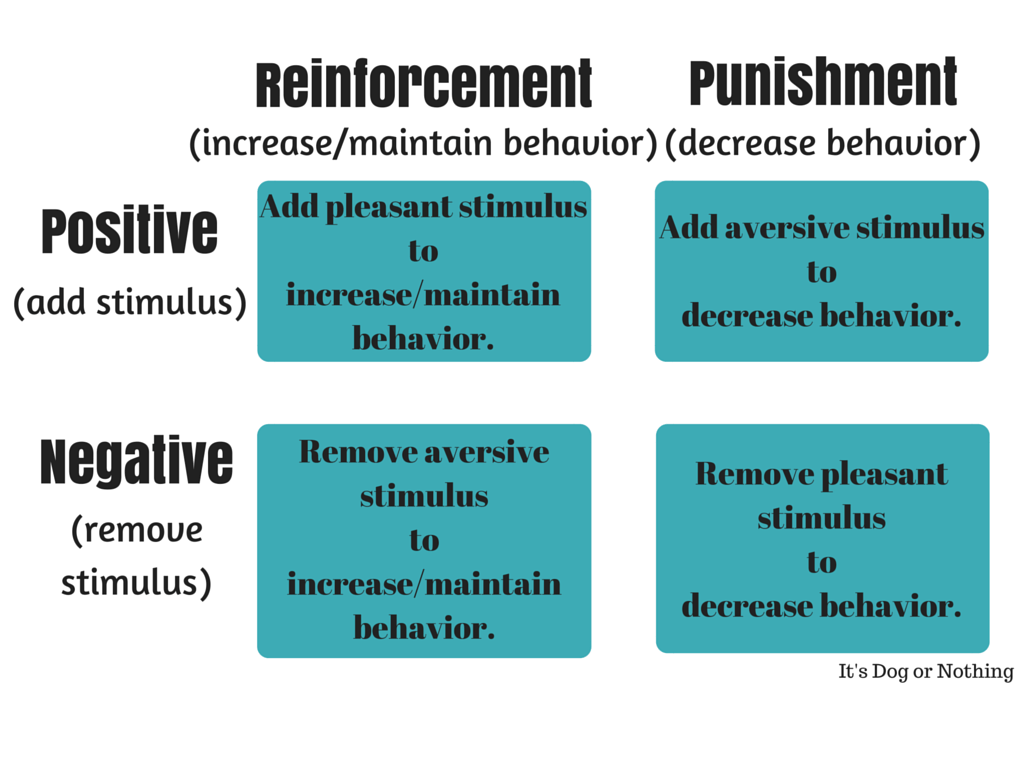
Prong collars are a form of positive punishment. Don’t let the word “positive” confuse you. Positive punishment means that a negative consequence occurs after an undesired behavior. You are adding (hence the positive) a consequence to prevent a future behavior. Another example of positive punishment would be receiving a speeding ticket after driving too fast on your way to work.

Prong collars can also be looked at as a form of negative reinforcement. For example, after the dog learns that pulling causes the collar to pinch, he stops pulling. The dog changes his behavior (pulling) to prevent an aversive stimulus (pinching).

So many people assume that the only way to control a giant breed dog is through force such as a choke or prong collar. There are so many detriments to using such an aversive tool. Thankfully, there are better ways to ensure your dog doesn't pull you down the street.

Consequences of Prong Collars

Studies have shown over and over that pulling and jerking of the leash (on any form of collar) is extremely harmful to the dog’s neck and throat. Many dogs experience bruising on their neck and even eye damage. I see more puncture wounds in the dog’s neck than I care to say.

Physical damage aside, there are mental/emotional consequences of utilizing prong collars. Perhaps you’re struggling with your dog pulling toward other dogs while on a walk. Leash corrections don’t do anything to address the root cause of the issue. They do, however, increase behavioral issues such as fear and anxiety.

Our first dog, Kaeto, had horrible leash reactivity. We learned that in his prior home he had received leash corrections for over-excitedly pulling toward other dogs. He began to associate strange dogs with the pain of the correction which led him to fear other dogs. Seeing a dog meant pain. Not a good thing.

My Dog Doesn’t Act Like He’s In Pain

This is one of the most common arguments for proponents of prong collars. Just because a dog doesn’t show signs of pain or discomfort, doesn’t mean they aren’t actually experiencing it. Dogs typically have a high pain tolerance and won’t show pain most of the time. This is especially true for Great Pyrenees. The Great Pyrenees not only has a high pain tolerance but doesn’t let pain impact his job. It takes a very high-level of pain for a Great Pyrenees to react.

Another argument is that prong collars don’t cause pain if they are used properly. This is completely and utterly false. If they didn’t cause pain, they wouldn’t work. Going back to positive punishment and negative reinforcement, either the dog is receiving an unpleasant stimulus or the pain is removed after doing the “right thing”. Pain is involved either way.

So many people assume that the only way to control a giant breed dog is through force such as a choke or prong collar. There are so many detriments to using such an aversive tool. Thankfully, there are better ways to ensure your dog doesn't pull you down the street.

My Dog Gets Excited When I Grab the Prong Collar

What does the prong collar mean to your dog? Does it means he gets to go for a walk or a car ride? Maybe he gets to go to the dog park. Your dog is associating these events with the prong collar. However, he’s not excited to experience pain while out on these adventures.

No, Your Giant Breed Does NOT Need a Prong Collar

When Atka was only 3 months old, we had him in a puppy kindergarten class to work on the basics and on his socialization. The class had an adorable Saint Bernard puppy who was about one month older than Atka. They were the two biggest pups in the class, so they always had a great time wrestling together.

The owner was having a really difficult time working on loose leash walking with her Saint puppy. He would drag her into the building happily pursuing the closest person for pets, thanking them with copious amounts of slobber. After a few weeks, the trainer pulled out a bucket of choke and prong collars and selected one for the puppy. The owner seemed hesitant, but ultimately she allowed the prong collar. He wore it every week after that.

When Atka graduated puppy kindergarten, we decided to sign him up for basic obedience at the same location. Nick and I weren’t completely fond of the trainers, but they had been letting us do our own thing (I was the only one using a clicker). Our options where we live are extremely limited, so we went with what we had.

When signing Atka up, the trainer asked if we had a prong collar and a leather leash. We didn’t, so she started to head to the bucket of pain to grab one for Atka. Mama bear in me picked up Atka and told her absolutely not – she was not putting that on my puppy. We were not allowed to sign up for the next level obedience class.

There seems to be this idea that the only way to control giant breeds is through force. According to so many, giant breeds are strong, tough dogs that need to be put in their place so they don’t take over. Maybe it’s just me, but I don’t want to train a dog that could easily take me down through force and intimidation. I would much prefer to have a dog that trusts me unconditionally.

So many people assume that the only way to control a giant breed dog is through force such as a choke or prong collar. There are so many detriments to using such an aversive tool. Thankfully, there are better ways to ensure your dog doesn't pull you down the street.

There Are Other Options

A few weeks ago, I ran into a couple with an adorable, 7-month old Great Pyrenees. He was stunning, but obviously still in his bouncy puppy phase (remember, giant breeds don’t mature until at least 3 years of age). I had to hide the horror on my face when I noticed the poor guy was wearing a massive prong collar.

Since I absolutely have to talk to anyone with a Great Pyrenees (we all know I’m obsessed), I approached them and we started chatting about their pup. They were in the collar aisle, so I asked if they had ever sought alternatives to the prong collar they were using. They said no because they were having great success with it. Their puppy was much more behaved in public. After discussing the dangers of prong collars and explaining their options, I was thrilled to see them leave with a Gentle Leader in hand.

No Pull Harness

No pull harnesses generally clip in front of the dog’s chest rather than on the back. When the dog pulls, the harness gently steers your dog to the side which allows for more attention to be directed toward you. There are many brands of no pull harnesses available, but we’ve had great success with this Easy Walk Harness with Mauja.

Gentle Leader

The Gentle Leader is my preferred tool for training loose leash walking. I’ve used it on Great Pyrenees, Great Danes, Mastiffs, Newfoundlands, and several other giant breeds.

The Gentle Leader works much like a horse halter. When your dog pulls, the leader gently directs his head to the side. This allows you to steer your dog in the desired direction. While out on walks, Atka gets very excited when he sees other dogs. No treat is going to lure his snout around to look at me when he’s highly stimulated. The Gentle Leader allows me to get his focus and then reward him for walking calmly.

The absolute most important thing to remember about the Gentle Leader, or any other head halter, is to not just shove it on your dog and go. Unless your dog is muzzle trained, he is not used to having something around his snout (just like when you first put a collar on a puppy – they’re typically not happy!). The Gentle Leader comes with instructions to desensitize your dog to the sensation so he accepts it just like he would a regular collar. Do not skip this step. Proper training and desensitization are vital to your success.

Training: The Key To Success

Using the above-mentioned tools are great while training your dog to walk politely on a leash. However, it’s important not to allow them to become a crutch. You really have to understand why your dog is pulling so you can successfully train loose leash walking.

There are many tactics and techniques for training loose leash walking. Rather than describe them all, here’s a list of helpful articles:

  • Using a Gentle Leader for Loose Leash Walking – It’s Dog or Nothing
  • How To Train Loose Leash Walking – It’s Dog or Nothing
  • Loose Leash Walking – Victoria Stilwell
  • Is Your Dog Always Pulling on the Leash? – Chasing Dog Tales
  • Leash Walking Techniques with Michelle Huntting – The Chesnut Mutts

For More Content

We’re teaming up with Fidose of Reality and Budget Earth to take a stand against the use of prong collars. Head over to their sites to see what they have to say!

So many people assume that the only way to control a giant breed dog is through force such as a choke or prong collar. There are so many detriments to using such an aversive tool. Thankfully, there are better ways to ensure your dog doesn't pull you down the street.

Filed Under: Healthy, Happy Dog, What's New Tagged With: giant breed, positive reinforcement, training

Meet the Giants: Leonberger

January 25, 2016 15 Comments

This week on Meet the Giants - the Leonberger! Head over to the blog to read all about this gorgeous gentle giant!

Guys, I have just been itching for this Meet the Giants post! While I will always have Great Pyrenees, Nick and I have been really interested in Leonbergers for awhile.

They are beautiful, beautiful dogs with such great personalities. I’m sure we will have one sometime down the road! To avoid me gabbing on and on, I’ll turn it over to Susie Jump to talk about this absolutely striking breed.

All information and photos are credited to Susie Jump.

This week on Meet the Giants - the Leonberger! Head over to the blog to read all about this gorgeous gentle giant!

If you currently have a Leonberger, please list their names, ages, and gender.
FozzieBear 7.5yr entire male, MojoLion 6yr neutered male, FleaBagMonkeyFace 2yr entire male.

Are there any other names/nicknames for the Leonberger?
If yes, list here. Lean-on-berger (like most giants they make good use of you if you stay still too long!), Wookies (they talk like Wookies), Peruvian Teddy Bear Dog (one I made up, which I use when I get sick of saying Leonberger!  )

What are three words you would use to describe the Leonberger?
Agile, intelligent, majestic

What is the Leonberger’s average size?
Height at withers: Dogs 72-80cms (28¼-31½ ins) ranging between 120-180lb; Bitches 65-75cms (25½ -29½ ins) usually between 90 – 145lbs.

What are the acceptable colors of the Leonberger?
Lion gold, red, reddish brown, sandy (fawn or cream) and all combinations in between, always with a black mask. Black hair tips are permitted but black must not dominate basic colour.

This week on Meet the Giants - the Leonberger! Head over to the blog to read all about this gorgeous gentle giant!

What is the average lifespan?
8-10, although the oldest recorded Leonberger was 17!

What was the Leonberger bred to do?
The Leonberger was bred to represent the lion on the town crest of Leonberg

How much exercise does the Leonberger need?
They are the most active, agile and versatile of the giants! Mine regularly walk 6-8 miles a day. Although exercise is restricted for growing puppies, and any activity must be built up slowly.

What are some common health problems?
DCM, LPN, Hip/elbow dysplasia, cancer, cataracts, Glaucoma

How much grooming does the Leonberger require?
Extensive! They have a thick double coat, shed throughout the year, but will completely drop their coat at least once a year.

What do you wish people knew about the Leonberger before bringing one home?
They need early training and socialization! Too many are rehomed when they hit adolescence as they’ve suddenly become 10 stone loons due to lack of training!

Why do you love the Leonberger?
Because they’re so versatile, if you build a good relationship they will do anything you ask of them. My boys show, take part in water rescue and draught work, they’re therapy dogs and blood donors, they’ve competed at agility, flyball, and obedience, they’ve tried afghan racing and rig-racing, rally, tracking, dancing to music……………the list goes on!

This week on Meet the Giants - the Leonberger! Head over to the blog to read all about this gorgeous gentle giant!

Anything else you want to say?
They’re not for everyone. They love water, they love mud, they think they’re a lap-dog, they can destroy a 3-piece suite in seconds if bored, they shed hair like there’s no tomorrow, insurance is expensive, there are health problems, they are not suited to kennel life and need to be part of the family.

They like to bop you with a massive paw and butt you with a great big nose, habits that are cute as a puppy wear very thin as a 10 stone dog. They need to be kept occupied.

They love to work and walks take forever because everyone stops you! BUT if you click, you will find yourself with the most loyal, sensitive, loving, intelligent best friend in the world, and I guarantee you won’t stop at one!

Pin It!

This week on Meet the Giants - the Leonberger! Head over to the blog to read all about this gorgeous gentle giant!

Filed Under: Meet the Giants, What's New Tagged With: breed information, giant breed, meet the giants

Meet the Giants: Neapolitan Mastiff

January 11, 2016 Leave a Comment

This week on Meet the Giants, we're talking about the Neapolitan Mastiff! Read more for tons of fabulous breed information!

This week on Meet the Giants, we’re talking about the Neapolitan Mastiff! Emily Musgrove has been amazingly helpful with the past several posts and she’s here again today.

When we were looking to adopt Kaeto, we were stuck between him and a Neapolitan Mastiff puppy. He was an adorable pile of wrinkles and about 12 weeks old. Obviously, Kaeto came home with us, but we often wonder how that puppy is doing today!

All photos and information are property of Emily Musgrove.

If you currently have a Neapolitan Mastiff, please list their names, ages, and gender.
Cain, Tawny, Gwendolynn, Moogie, Fosters ages 8 months to 7 years.

This week on Meet the Giants, we're talking about the Neapolitan Mastiff! Read more for tons of fabulous breed information!

Are there any other names/nicknames for the Neapolitan Mastiff? If yes, list here.
Neo

What are three words you would use to describe the Neapolitan Mastiff?
Sensitive, Goofy, Dramatic

What is the average size of a Neapolitan Mastiff?
Most are between 100-150 males can be up to 200. Most of mine were 120.

What are the acceptable colors of the Neapolitan Mastiff?
Blue, black, mahogany, and brindle are all listed colors.

This week on Meet the Giants, we're talking about the Neapolitan Mastiff! Read more for tons of fabulous breed information!

What is the average lifespan?
10-12 years

What was the Neapolitan Mastiff bred to do?
Neapolitan Mastiffs are guard dogs, but as most mastiffs they will guard you and not your things.

How much exercise does the Neapolitan Mastiff need?
High for a mastiff but low for most breeds. 1-2 mile walks are plenty.

What are some common health problems?
Heart disease, joint problems, eye problems.

This week on Meet the Giants, we're talking about the Neapolitan Mastiff! Read more for tons of fabulous breed information!

How much grooming does the Neapolitan Mastiff require?
They do shed a lot of little short hairs but no hair cuts or anything extra.

What do you wish people knew about the Neapolitan Mastiff before bringing one home?
Research!!!!!! This is not a breed for 90% of the population. They are only loyal to the family and they do not like change or strangers. Please don’t pick a Neo because you want a blue dog. They are amazing but not the easiest breed to care for.

This week on Meet the Giants, we're talking about the Neapolitan Mastiff! Read more for tons of fabulous breed information!

Why do you love the Neapolitan Mastiff?
I love the spunk, the attitude,  and they are not for everyone. They love their family but not many others. I love that they are agiler than most mastiffs but still laid back.

They get their feelings hurt and do not respond well to punishment or force. They really need positive reinforcement based training. I said previously, “Tell a Boerboel to do something and they will give you a look. Make them do it and you will get hurt. Ask them to do it and reward them and they will jump over the moon for you.”

The same could be said of Neos.

Interested in adopting/learning more about the Neapolitan Mastiff? Head over to Big Dogs Huge Paws to see their list of adoptable Neos! Did you learn anything new about the Neapolitan Mastiff?

Pin It!

This week on Meet the Giants, we're talking about the Neapolitan Mastiff! Read more for tons of fabulous breed information!

Filed Under: Meet the Giants, What's New Tagged With: breed information, giant breed, meet the giants

Meet the Giants: Kangal

January 4, 2016 2 Comments

Today on Meet the Giants, the Kangal! Head over to learn more information about this stunning livestock guardian dog.

With the busy holiday season, it’s been a few weeks since I’ve done a Meet the Giants post! Time to get back in the swing of things and get posting again. Without further introduction, the Kangal!

(Images and information provided by Emily Musgrove)

If you have/had a Kangal, please list their name, age, and gender.
Indy, pure breed female, 7 mix puppies

Today on Meet the Giants, the Kangal! Head over to learn more information about this stunning livestock guardian dog.

Are there any other names/nicknames for the Kangal? If yes, list here.
No.

What are three words you would use to describe the Kangal?
Independent, Aloof, Watchful.

What is the Kangal’s average size?
Most are between 100-150 males can be up to 200. Most of mine were 120.

What are the acceptable colors of the Kangal?
Variation of blond with black mask. Can have a saddle.

Today on Meet the Giants, the Kangal! Head over to learn more information about this stunning livestock guardian dog.

What is the average lifespan?
10-12 years

What was the Kangal bred to do?
Guard livestock in Turkey

How much exercise does the Kangal need?
1-2 mile walks are plenty

What are some common health problems?
Heart disease, joint problems, eye problems.

How much grooming does the Kangal require?
They do shed a lot of short hairs but no hair cuts or anything extra.

Today on Meet the Giants, the Kangal! Head over to learn more information about this stunning livestock guardian dog.


What do you wish people knew about the Kangal before bringing one home?
Research!!!!!! Kangals are meant to work; they are a rare breed but not for everyone. They need a job and someone to help them decide between friend or foe.

They tend to bark and not like new people in their home. Indy would bark her head off but because she trusted me to keep the family safe, I could tell her to stand down and she would sit back and watch or decide she liked the person and play like a puppy.

Why do you love the Kangal?
They are a hoot. They tend to be very watchful with strangers but silly butts with their family. You can’t get anything past them. If they want to work they will, if not they won’t. They are very loyal and once they have a good relationship they will do everything for their family.

Today on Meet the Giants, the Kangal! Head over to learn more information about this stunning livestock guardian dog.

Anything else you’d like to say?
Kangals are one of the rarest breeds in the US. They are not allowed legally out of Turkey. Almost all of the ones found in the US trace back to a few dogs there were smuggled here in the 70’s.

Be careful when looking for one, many are inbreed or are mixes. Kangals are the original or motherland of the LGD’s. The Anatolian came from the Kangal, the Akbash indirectly too.

What a stunning, stunning breed! I had no idea that they aren’t legally allowed out of Turkey. Definitely something to be aware of if you are interested in the breed and living outside of Turkey. Thanks again to Emily!

Did you learn anything new about the Kangal?

Pin It!

Today on Meet the Giants, the Kangal! Head over to learn more information about this stunning livestock guardian dog.

Filed Under: Meet the Giants, What's New Tagged With: breed information, giant breed, meet the giants

Meet the Giants: Boerboel

December 7, 2015 8 Comments

This week on Meet the Giants, we're talking about the Boerboel! Read more for tons of fabulous breed information!

Today on Meet the Giants, we’re going to be talking about the Boerboel! This is another breed that I haven’t had the pleasure of meeting in person, but it’s just such a stunning breed!

Many thanks to Emily Musgrove for providing the information and pictures of the Boerboel!

This week on Meet the Giants, we're talking about the Boerboel! Read more for tons of fabulous breed information!

If you currently have a Boerboel, please list their names, ages, and gender.
Egypt 4 years, female spayed. I have had 21, including Egypt as fosters.

Are there any other names/nicknames for the Boerboel? If yes, list here.
African Mastiff, South African Mastiff

What are three words you would use to describe the Boerboel? Independent, Intense, Dramatic

This week on Meet the Giants, we're talking about the Boerboel! Read more for tons of fabulous breed information!

What is the average size of a Boerboel?
Most are between 100-150, males can be up to 200. Most of mine were 120.

What are the acceptable colors of the Boerboel?
Fawn, apricot and Brindle. Black is not accepted by AKC and most other registries do not accept, piebald, blue or anything with more than 30% white.

What is the average lifespan?
10-12 years

This week on Meet the Giants, we're talking about the Boerboel! Read more for tons of fabulous breed information!

What was the Boerboel bred to do?
Guard people from lions and predators in Africa. Some say they were breed to guard diamond mines too. I have never had one guard things always people.

How much exercise does the Boerboel need?
High for a mastiff but low for most breeds. 1-2 mile walks are plenty.

What are some common health problems?
Heart disease, joint problems, eye problems.

This week on Meet the Giants, we're talking about the Boerboel! Read more for tons of fabulous breed information!

How much grooming does the breed require?
They do shed a lot of little short hairs but no hair cuts or anything extra.

What do you wish people knew about the Boerboel before bringing one home?
Research!!!!!! This is not a breed for 90% of the population. They are only loyal to the family and they do not like change or strangers. If you like the look but want a social dog, go for a Bullmastiff instead.

This week on Meet the Giants, we're talking about the Boerboel! Read more for tons of fabulous breed information!

Why do you love Boerboels?
I love the spunk, the attitude, and they are not for everyone. They love their family and not many others. I love that they are more agile than most mastiff but still laid back.

They get their feelings hurt and do not respond well to punishment or force. They really need positive reinforcement based training. Tell a Boerboel to do something and they will give you a look; make them do it and you will get hurt. Ask them to do it and reward them and they will jump over the moon for you.

The same could be said of Neos.

This week on Meet the Giants, we're talking about the Boerboel! Read more for tons of fabulous breed information!

I found this week’s Meet the Giants post SO interesting because I don’t know a single thing about Boerboels! I love people that truly embrace the personality of each breed. Thanks again, Emily, for all the info!

This week on Meet the Giants, we're talking about the Boerboel! Read more for tons of fabulous breed information!

Interested in your own Boerboel? Head to Big Dogs Huge Paws for a list of available dogs and more information!

Pin It!

This week on Meet the Giants, we're talking about the Boerboel! Read more for tons of fabulous breed information!

Filed Under: Meet the Giants, What's New Tagged With: breed information, dog, giant breed, meet the giants

  • « Go to Previous Page
  • Page 1
  • Page 2
  • Page 3
  • Page 4
  • Go to Next Page »

Primary Sidebar

Want to find something?

Raise That Pyr Paw

Raise That Pyr Paw

Welcome to It's Dog or Nothing, the go-to resource for all things Pyrenees.

  • Email
  • Facebook
  • Instagram
  • Pinterest
  • YouTube

Subscribe

Join our email list to never miss a post and gain access to exclusive deals!

Footer

Features

  • Blog
  • Amazon Shop
  • Pyr Apparel & Gifts

Join Me On

  • Email
  • Facebook
  • Instagram
  • Pinterest

Main

  • Home
  • About
  • Contact

Copyright © 2024 · Studio Mommy Themes · Custom Scene Images

Copyright © 2024 · Adore Me on Genesis Framework · WordPress · Log in · Privacy Policy

Follow on Instagram